

Choosing a place to live is more than just picking a house—it’s about finding a community where you feel secure, comfortable, and happy. When searching for safe areas to live in city, it’s crucial to consider factors like crime rates, infrastructure, community engagement, and accessibility. Living in a safe neighborhood not only gives you peace of mind but also improves your quality of life.
In this detailed guide, we’ll walk you through everything you need to know to identify and select the safest neighborhoods in your city.
Why Safety Matters When Choosing a Neighborhood
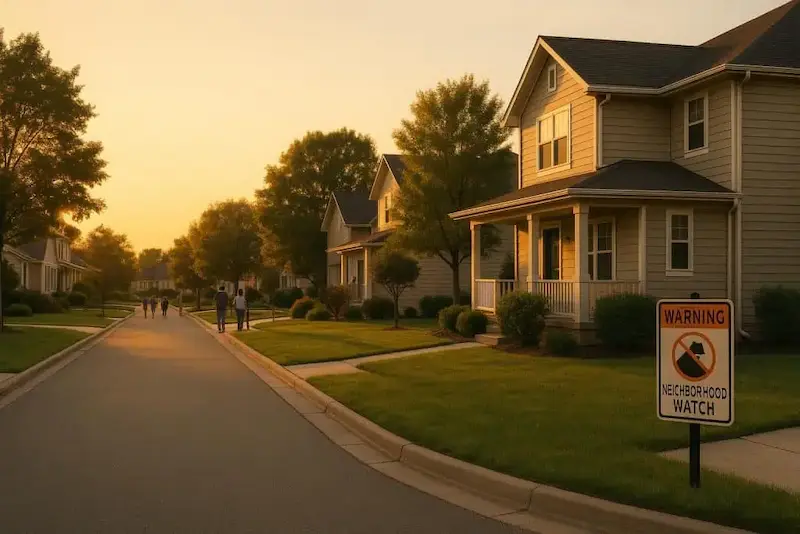
Safety is a fundamental aspect of quality of life. Whether you are a single professional, a family with kids, or a retiree, living in a safe area impacts:
- Peace of Mind: Knowing that your home and loved ones are safe reduces daily stress.
- Property Value: Homes in safe neighborhoods generally retain or increase their value.
- Community Living: Safer areas often have active community participation and social cohesion.
- Access to Amenities: Safe neighborhoods usually have better schools, parks, hospitals, and recreational facilities.
Neglecting safety can lead to anxiety, restricted mobility, and even financial loss due to crime or vandalism.
Key Features of Safe Neighborhoods

While crime rates are a major indicator, other factors contribute to the overall safety of a neighborhood. Here’s what to look for:
1. Low Crime Rates
Check local crime reports and online crime mapping services. Safe areas typically have:
- Minimal violent crimes such as assault or robbery
- Low incidents of property crimes like burglary or theft
- Consistent enforcement of law by local authorities
2. Well-Lit Streets and Public Spaces
Safety isn’t just about the numbers—it’s about perception too. Well-lit streets, maintained sidewalks, and clear visibility in public spaces deter potential criminals.
3. Active Community Engagement
Neighborhoods where residents know each other, participate in community events, and organize neighborhood watches tend to be safer. These communities naturally discourage crime and foster a sense of accountability.
4. Proximity to Emergency Services
Areas close to police stations, fire departments, and hospitals provide faster assistance in emergencies, making them inherently safer.
5. Family-Friendly Amenities
Neighborhoods with reputable schools, playgrounds, parks, and recreational centers are generally more secure. Families are drawn to these areas, which often strengthens community bonds.
You may also like to read this:
Luxury Homes For Sale Listings | Find Your Dream Mansion
Ultimate Guide To Top Real Estate Listings Online 2026
Best Places To Live in City – Top Neighborhoods Guide
Top Residential Areas To Buy Property | 2026 Guide
Location Guide For Home Buyers: Find Your Perfect Spot
Practical Tips to Identify Safe Areas
Finding a safe area requires more than just browsing online. Here are actionable steps:
- Research Crime Statistics: Use government websites, local police portals, or apps like CrimeMapping and NeighborhoodScout to check neighborhood crime data.
- Observe the Area in Person: Visit neighborhoods at different times—day, evening, and night—to assess safety, lighting, and activity levels.
- Talk to Residents: Locals provide honest insights about safety, community engagement, and any recurring problems.
- Check Local Real Estate Reports: Realtors often have data on the safety, livability, and demand of neighborhoods.
- Look for Signs of Maintenance: Well-kept streets, parks, and public buildings indicate an invested and engaged community.
Examples of Safe Neighborhood Features
Safe areas share common physical and social characteristics:
- Gated Communities: Controlled access reduces the risk of unauthorized entry.
- Active Streets: Areas with regular foot traffic or commercial activity discourage crime.
- Well-Maintained Parks and Green Spaces: Properly maintained public spaces show community investment.
- Proximity to Shops and Cafes: Areas that stay active even in the evenings are naturally safer.
Benefits of Living in Safe Neighborhoods
Living in a safe area offers more than security—it improves lifestyle and long-term satisfaction:
- Reduced Stress: You can relax knowing your surroundings are secure.
- Higher Property Value: Safe neighborhoods generally have higher real estate demand.
- Community Support: Neighbors in safe areas often help each other, fostering trust and social bonds.
- Better Health and Recreation: Safer areas usually have parks, walking trails, and outdoor activities that improve mental and physical health.
Personal Safety Tips in Any Neighborhood
Even in safe areas, it’s important to maintain personal safety:
- Lock doors and windows and use home security systems.
- Avoid poorly-lit or isolated areas, especially at night.
- Be aware of your surroundings while walking, cycling, or driving.
- Keep emergency contacts and local police numbers handy.
- Use safety apps or devices when traveling alone.
Top Indicators of a Safe Area
To summarize, neighborhoods that score high on safety often feature:
- Low crime rates and visible law enforcement presence
- Community engagement and active neighborhood watches
- Well-maintained public spaces and infrastructure
- Family-oriented facilities like schools, playgrounds, and hospitals
- Accessible transport and commercial areas
FAQs About Safe Areas to Live in City
Q1: Are safe neighborhoods expensive?
Yes, areas with high safety often have higher property prices or rent due to demand. However, investing in safety is worthwhile for long-term comfort and security.
Q2: How do I verify the crime rate of a neighborhood?
Check local police websites, official crime reports, and apps like NeighborhoodScout or SpotCrime for up-to-date data.
Q3: Can a neighborhood change in terms of safety?
Absolutely. Urban development, policing, and community programs can improve safety, while neglect or economic decline may increase crime.
Q4: Is safety subjective?
Yes. While statistics are objective, personal comfort, lifestyle, and perception of safety vary from person to person.
Conclusion
Finding safe areas to live in city is essential for peace of mind, family security, and overall quality of life. By researching crime statistics, observing neighborhoods, engaging with residents, and evaluating amenities, you can select a location that offers both safety and comfort.
Remember, a safe neighborhood combines low crime, active community engagement, and a well-maintained environment. Making safety a priority ensures a happier, stress-free lifestyle for you and your loved ones.