


When you’re planning to move or buy a home, one of the most important decisions is choosing among the best neighborhoods for families. A neighborhood isn’t just a place to live—it’s where your children grow up, where your family builds memories, and where you feel safe and comfortable. But what truly makes a neighborhood family-friendly?
In this guide, we’ll dive deep into the features that matter most for families, explore top neighborhoods across the U.S., and give practical tips to help you make the right choice.
Key Features of the Best Neighborhoods for Families

Finding the right neighborhood isn’t only about square footage or price—it’s about the environment that surrounds your home. Here are the essential features that make a neighborhood ideal for families:
1. Safety and Low Crime Rates
Safety is often the number one priority for families. A neighborhood with low crime rates means parents can let their children play outside, walk to school, or ride their bikes without constant worry. Tools like local police reports and neighborhood safety maps can provide valuable insights.
Tip: Research the local police department’s annual crime statistics and see if there are active neighborhood watch programs.
2. Quality Education and Schools
For families with children, access to good schools is critical. Top-rated public and private schools not only offer excellent academics but also foster extracurricular development.
- Public School Ratings: Websites like GreatSchools.org can provide detailed reviews, test scores, and parent feedback.
- School Programs: Look for neighborhoods with programs for arts, sports, STEM activities, and after-school clubs.
A neighborhood with strong schools often attracts other families, creating a community focused on children’s growth.
3. Parks, Playgrounds, and Outdoor Spaces
Outdoor spaces play a huge role in family life. Parks, playgrounds, and walking trails encourage physical activity, outdoor learning, and social interactions among children.
- Local Parks: Check the proximity of parks and the variety of activities they offer.
- Recreational Facilities: Look for community centers, swimming pools, and sports leagues.
4. Accessibility and Convenience
Family life often revolves around routines—grocery shopping, doctor visits, extracurriculars. Choosing a neighborhood with accessible amenities makes life easier:
- Grocery stores, pharmacies, and healthcare centers nearby.
- Public transportation options for commuting.
- Short travel times to workplaces, schools, and hospitals.
Walkable neighborhoods are particularly beneficial for families with younger children, as everything they need is within easy reach.
5. Strong Sense of Community
A neighborhood isn’t just about buildings; it’s about people. Families thrive in areas with active community involvement.
- Neighborhood events, fairs, or farmers’ markets help families connect.
- Family-oriented clubs or local parenting groups foster supportive relationships.
- Friendly neighbors create an environment where everyone looks out for each other.
6. Affordable Housing and Future Growth
While comfort and safety matter, affordability is also key. Look for neighborhoods that balance housing costs with family-friendly amenities. Areas with planned infrastructure growth or development projects often retain or increase in value, making them smart long-term investments.
Top Family-Friendly Neighborhoods in the U.S.
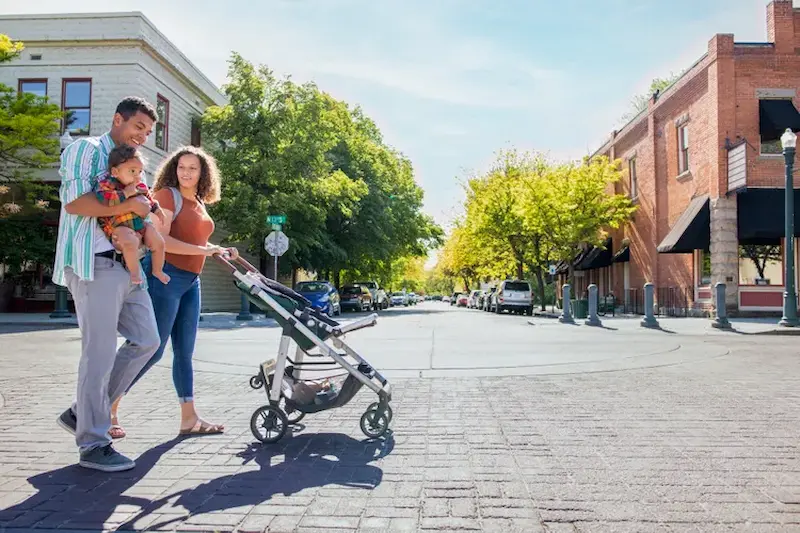
Here are some neighborhoods consistently rated among the best neighborhoods for families:
1. Naperville, Illinois
- Why it’s great: Low crime rates, highly-rated schools, and plenty of parks.
- Amenities: Riverside Park, local libraries, and family-centered events.
2. Plano, Texas
- Why it’s great: Safe, affordable housing, excellent public schools, and a suburban feel.
- Amenities: Community recreation centers, shopping districts, and green spaces.
3. Cary, North Carolina
- Why it’s great: Known for its quiet streets, parks, and strong school system.
- Amenities: Bond Park, sports leagues, and cultural events for families.
4. Bellevue, Washington
- Why it’s great: Offers access to city jobs while maintaining a family-friendly environment.
- Amenities: Top-tier schools, parks, and a vibrant local community.
5. Overland Park, Kansas
- Why it’s great: Affordable, safe, and filled with outdoor spaces.
- Amenities: Arboretum gardens, family sports programs, and community festivals.
6. Irvine, California
- Why it’s great: Master-planned neighborhoods, low crime, and excellent schools.
- Amenities: Extensive bike trails, community parks, and cultural activities.
7. Lexington, Massachusetts
- Why it’s great: Excellent education options and rich historical surroundings.
- Amenities: Local museums, community centers, and safe residential streets.
You may also like to read this:
Ultimate Guide To Top Real Estate Listings Online 2026
Best Places To Live in City – Top Neighborhoods Guide
Top Residential Areas To Buy Property | 2026 Guide
Location Guide For Home Buyers: Find Your Perfect Spot
Best Safe Areas To Live in City With Amenities and Security
Practical Tips for Choosing the Right Neighborhood
Here are actionable steps to find the perfect family-friendly area:
- Visit the Neighborhood Multiple Times – Visit during different times of the day and week to gauge traffic, noise, and community activity.
- Research School Ratings and Programs – Schools are often a deciding factor for families. Consider both academic and extracurricular options.
- Talk to Residents – Locals can provide insights about day-to-day life that data and online research can’t capture.
- Check Future Development Plans – Neighborhoods with upcoming infrastructure, parks, or community centers can increase home value and improve lifestyle.
- Evaluate Commute Times – Factor in travel time to work, schools, and activities to avoid long daily commutes.
- Consider Long-Term Needs – Think about space for growing children, proximity to colleges, or amenities for aging parents.
Conclusion
Choosing the best neighborhoods for families is about more than just a home—it’s about creating a lifestyle for safety, growth, and happiness. Prioritize neighborhoods with low crime rates, excellent schools, parks, convenient amenities, and a strong sense of community. By doing thorough research, visiting neighborhoods, and thinking long-term, you can find a place where your family can thrive and create lifelong memories.
The right neighborhood becomes more than an address—it becomes home.
FAQs About the Best Neighborhoods for Families
1. What factors should I consider when choosing a family-friendly neighborhood?
When looking for the best neighborhoods for families, consider safety and crime rates, quality of schools, proximity to parks and recreation, accessibility to daily amenities, and the overall sense of community. Housing affordability and future growth potential are also important.
2. How can I find out if a neighborhood is safe for my family?
You can check local police reports, neighborhood crime maps, and websites like NeighborhoodScout or SpotCrime. Visiting the area at different times of the day and talking to current residents can also give you a clear picture of safety levels.
3. Are school ratings really that important for choosing a neighborhood?
Yes. Schools influence your child’s education and extracurricular opportunities, and neighborhoods with strong schools often attract other families, creating a family-friendly environment. Websites like GreatSchools.org provide detailed reviews, test scores, and parent feedback.
4. How can I evaluate the sense of community in a neighborhood?
Look for family events, local clubs, neighborhood associations, and community centers. Visiting parks and libraries, attending local events, or chatting with residents can give you a good sense of how welcoming the community is.
5. Is affordability important when choosing a family-friendly area?
Absolutely. While amenities and safety are crucial, finding a neighborhood within your budget ensures long-term financial stability. Look for areas that balance affordability with quality schools, safety, and convenience.