
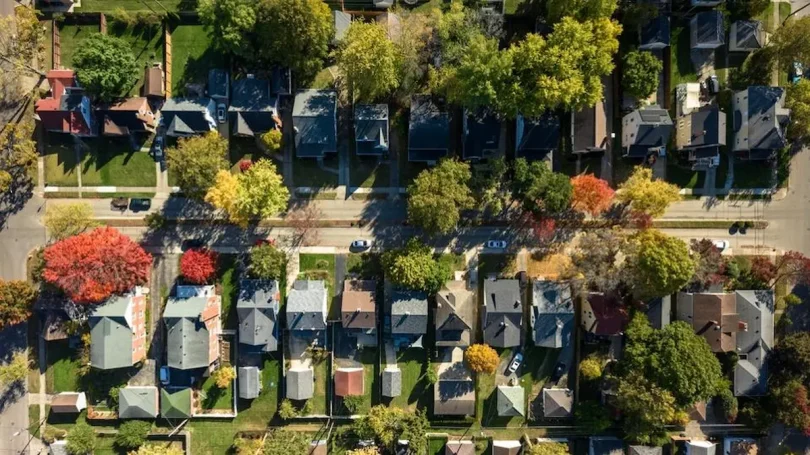

If you’re planning to invest in real estate or buy a new home, knowing the top residential areas to buy property is crucial. The neighborhood you choose will not only affect your day-to-day life but also determine the long-term value of your investment. Whether your priority is proximity to work, schools, or leisure amenities, or whether you’re looking for safe and peaceful surroundings, picking the right area is the first step toward a smart property purchase.
In this guide, we’ll take you through everything you need to know: from what factors to consider before buying, to the types of residential areas, tips for smart purchasing, and some frequently asked questions. By the end, you’ll be better equipped to make an informed decision that suits both your lifestyle and financial goals.
Why Location Matters in Real Estate

When it comes to property, location isn’t just a buzzword—it’s everything. Here’s why the right residential area can make a significant difference:
- Property Appreciation: Homes in well-planned, developed, or emerging neighborhoods often see higher value growth over time.
- Lifestyle Quality: Proximity to schools, hospitals, shopping centers, and parks enhances your daily life.
- Rental Potential: If you’re considering renting your property, high-demand areas attract tenants quickly and can command better rental rates.
- Security and Community: Safe neighborhoods with strong community engagement make your living experience more comfortable.
Simply put, a good area doesn’t just help you live well—it protects your investment.
Key Factors to Consider Before Buying Property
Before narrowing down your choices, evaluate these critical factors:
- Accessibility
Look for neighborhoods with easy access to main roads, highways, and public transport. A property near transit routes can save commuting time and also boost resale value. - Safety and Security
Crime rates vary from one area to another. Gated communities and well-patrolled neighborhoods often offer higher security, which is especially important for families. - Amenities and Facilities
Essential services like schools, hospitals, shopping centers, gyms, and parks should be within reach. These amenities improve quality of life and enhance property value. - Future Development Plans
Areas earmarked for infrastructure projects—new highways, metro stations, business parks—often experience significant price growth over time. - Community Environment
Friendly neighbors, clean streets, green spaces, and recreational areas contribute to overall satisfaction and a better living experience. - Property Type & Size
Some areas are better for apartments, while others offer villas or independent houses. Make sure the area suits your property preferences and lifestyle needs.
Types of Top Residential Areas

Understanding the types of residential areas can help you match your priorities with the right location.
1. City-Center Residential Areas
These are prime locations close to workplaces, entertainment hubs, restaurants, and shopping malls.
Pros:
- Easy access to offices and city amenities
- Modern apartments with great facilities
- High liquidity when selling
Cons:
- Higher property prices
- Limited space compared to suburbs
- Can be crowded and noisy
Ideal For: Young professionals, singles, and those who prefer an urban lifestyle.
2. Suburban Neighborhoods
Suburbs are ideal for families or those seeking more space and tranquility. These areas often have larger homes, parks, and community facilities.
Pros:
- Spacious homes and greener surroundings
- Family-friendly environment
- Typically more affordable than city centers
Cons:
- Longer commute times to the city
- Less nightlife and entertainment options
Ideal For: Families, retirees, or anyone wanting peace without leaving urban conveniences too far behind.
3. Gated Communities
Gated communities are highly popular among buyers seeking security, privacy, and lifestyle amenities.
Pros:
- Controlled access and strong security
- Facilities like clubhouses, swimming pools, and gyms
- Sense of community and exclusivity
Cons:
- Higher maintenance costs
- Can feel isolated from surrounding areas
Ideal For: Families, high-net-worth individuals, and those seeking safety and premium living.
4. Emerging Residential Zones
These areas are not yet fully developed but are attracting buyers due to future growth potential.
Pros:
- Lower entry prices
- High appreciation potential as the area develops
- Opportunity to buy a modern home at a lower cost
Cons:
- Infrastructure may still be developing
- Amenities may be limited initially
Ideal For: Investors and first-time buyers looking for long-term gains.
5. Luxury Residential Areas
Luxury zones cater to buyers looking for premium homes, high-end design, and exclusive neighborhoods.
Pros:
- High-quality construction and modern architecture
- Exclusive amenities and facilities
- Prestigious addresses that enhance social status
Cons:
- Very high property prices
- Higher property taxes and maintenance costs
Ideal For: Professionals, business owners, and those seeking upscale living.
You may also like to read this:
Apartments For Sale in Budget – Affordable Homes Guide
Houses and Plots For Sale List | Complete Property Guide
Luxury Homes For Sale Listings | Find Your Dream Mansion
Ultimate Guide To Top Real Estate Listings Online 2026
Best Places To Live in City – Top Neighborhoods Guide
Practical Tips for Buying Property in Top Areas
- Research Thoroughly – Check past growth trends, current property rates, and upcoming developments in the area.
- Visit Multiple Neighborhoods – Get a feel for traffic, community, safety, and amenities.
- Check Legal Documentation – Ensure property titles, approvals, and permits are clear.
- Think Long-Term – Even if buying for personal use, consider resale potential.
- Hire a Trusted Real Estate Agent – Professionals can guide you to the best properties and help avoid common pitfalls.
- Budget Wisely – Factor in not only purchase price but also taxes, registration fees, and potential maintenance costs.
FAQs: Top Residential Areas To Buy Property
Q1: How do I find the best residential areas in my city?
Research online listings, local real estate websites, and government urban development plans. Visiting neighborhoods and talking to residents also helps.
Q2: Should I buy in a newly developing area or an established neighborhood?
If your goal is long-term investment and you’re willing to wait, emerging areas can provide higher returns. Established neighborhoods offer safety, better amenities, and immediate lifestyle benefits.
Q3: Are gated communities worth the extra cost?
Yes, if security, exclusivity, and lifestyle amenities are priorities. Maintenance costs can be higher, but many buyers find the benefits worth it.
Q4: How do I know if a property will appreciate in value?
Look for upcoming infrastructure projects, new schools or business districts, demand trends, and historical price growth in the area.
Conclusion
Selecting the top residential areas to buy property is one of the most important decisions a buyer can make. Whether you prefer a bustling city-center apartment, a spacious suburban home, a secure gated community, or a luxury villa, the right neighborhood will affect both your quality of life and investment returns.
Take the time to research, visit neighborhoods, assess amenities, and evaluate future growth potential. With careful planning, you can find a property that perfectly balances comfort, convenience, and financial security.